


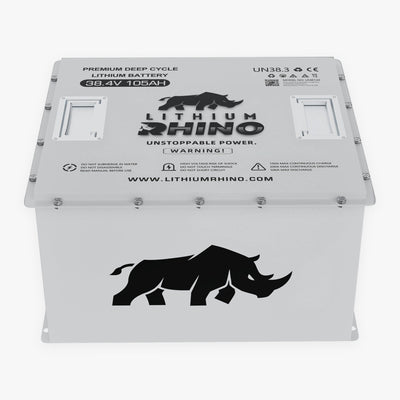
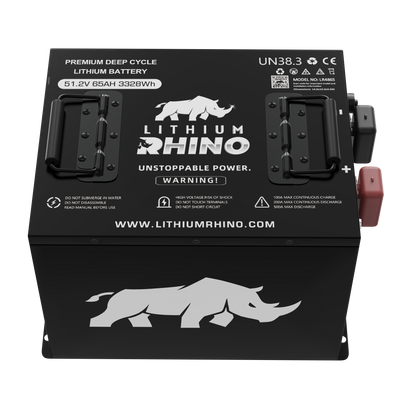

Lithium batteries are generally safe for everyday use when they are used according to the manufacturer's specifications.
A properly designed lithium battery typically includes several safety features designed to prevent conditions that could damage the cells. These may include:
- Battery Management System (BMS)
- Overcharge protection
- Over-discharge protection
- Overcurrent protection
- Short-circuit protection
- Temperature monitoring
- Cell balancing
- Automatic charging cutoffs
The battery chemistry also matters. Lithium iron phosphate (LiFePO4) batteries, for example, are commonly used in applications such as golf carts, RVs, marine systems, and energy storage because of their combination of long cycle life and strong thermal stability.
That does not mean lithium batteries are completely risk-free. Like any rechargeable battery, they need to be properly designed and handled.
For golf cart owners considering an upgrade, understanding the complete process is also important. Our guide on how to convert a golf cart to lithium batteries explains how to select the correct voltage, remove the old battery pack, install the lithium battery, and connect the appropriate charger.
What Causes a Lithium Battery Fire?
A lithium battery fire can occur when a battery experiences a serious internal or external failure that causes the cells to heat uncontrollably.
One of the most important concepts to understand is thermal runaway.
Thermal runaway is a chain reaction in which excessive heat causes a battery cell to generate more heat. If the process is not controlled, temperatures can rise rapidly and potentially result in smoke, fire, or other hazardous conditions.
Several factors can contribute to this type of failure.
1. Physical Damage
A battery that has been crushed, punctured, dropped severely, or otherwise damaged can develop internal problems that are not immediately visible.
Damage to a cell can create an internal short circuit. In some situations, this can lead to excessive heat generation.
For this reason, a lithium battery that has suffered significant physical damage should not simply be put back into service without proper inspection.
2. Overcharging
Charging a lithium battery with an incompatible charger or charging system can create unsafe conditions.
Lithium batteries require charging equipment designed for their specific chemistry and voltage. A charger intended for one battery type or voltage should not automatically be used with another.
A properly designed BMS can provide additional protection by monitoring battery conditions and disconnecting charging when certain limits are reached.
3. Excessive Heat
High temperatures can increase battery stress and accelerate degradation.
Leaving a battery in an extremely hot environment, exposing it to direct heat sources, or operating it outside its specified temperature range can increase safety risks.
Good battery systems therefore monitor temperature and may restrict charging or discharging when temperatures move outside safe operating limits.
4. Short Circuits and Electrical Faults
A short circuit can cause a very large current to flow through a battery.
Without appropriate protection, this can generate significant heat and potentially damage cells or wiring. Modern battery systems can use BMS protection, fuses, circuit breakers, and properly sized wiring to reduce this risk.
5. Manufacturing Defects
Battery safety also depends on the quality of the cells, electronics, assembly, and quality-control processes used during manufacturing.
A battery can have a higher risk of failure if it contains defective cells, poor electrical connections, inadequate protection circuitry, or other manufacturing problems.
This is why choosing a reputable battery manufacturer and following its installation and operating instructions matters.
What Is a Battery Management System (BMS)?
A Battery Management System, commonly called a BMS, is an electronic control system that monitors and manages a rechargeable battery.
Think of the BMS as the battery's protection and monitoring system.
Depending on the battery design, a BMS may monitor:
- Cell voltage
- Total battery voltage
- Charging current
- Discharge current
- Cell balance
- Battery temperature
- Overcurrent conditions
- Short-circuit conditions
When the system detects a condition outside its programmed limits, it can take protective action.
For example, if a battery becomes too hot or experiences excessive current, the BMS may disconnect the battery from the circuit until the condition is resolved.
Why Is the BMS Important?
Lithium battery cells need to operate within specific electrical and temperature limits.
A good BMS helps keep the battery within those limits by continuously monitoring its operating conditions.
This is particularly important in applications such as golf carts, where batteries may experience significant current demands during acceleration, climbing hills, or carrying heavier loads.
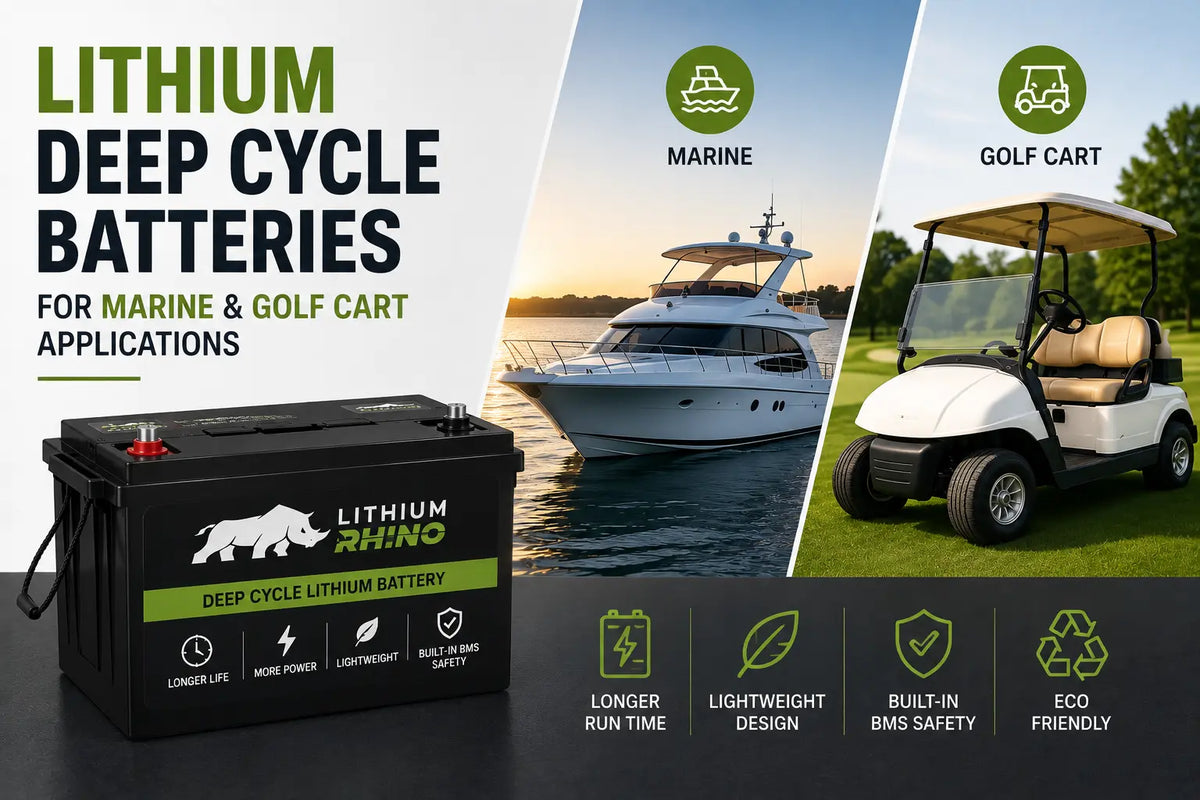
Lithium Rhino's golf cart batteries use an integrated BMS designed to monitor and protect the battery during operation. Depending on the model, the system can also provide battery information through the Rhino mobile app, including parameters such as state of charge, voltage, temperature, and alerts.
You can learn more about how BMS technology fits into a golf cart lithium battery system in our guide to the top benefits of golf cart lithium batteries.
However, the BMS should not be viewed as a substitute for proper installation and battery maintenance. It is one layer of a broader safety system.
Can Lithium Batteries Catch Fire While Charging?
A lithium battery can potentially catch fire while charging, but this is not normal behavior.
Charging-related problems can result from an incompatible charger, damaged battery, faulty wiring, extreme temperatures, or a defective battery system.
Using the charger recommended for the battery is one of the simplest ways to reduce unnecessary risk.
Before charging, check for obvious signs of damage such as:
- Swelling
- Cracks
- Damaged cables
- Burn marks
- Melted connectors
- Unusual odors
- Excessive heat
If a battery shows signs of serious damage or abnormal behavior, stop using it and follow the manufacturer's safety instructions.
For golf cart owners, Lithium Rhino conversion kits are supplied with compatible smart chargers rather than requiring the old lead-acid charging system. The 48V golf cart lithium battery conversion kits are one example of a complete battery-and-charger system designed for lithium golf cart conversions.
Are Lithium Batteries Safer Than Lead-Acid Batteries?
Safety depends on the battery chemistry, design, manufacturing quality, installation, and application.
Lithium batteries and lead-acid batteries have different characteristics and different potential failure modes.
For many modern applications, lithium batteries offer advantages such as:
- High energy efficiency
- Long cycle life
- Consistent voltage output
- Lower maintenance requirements
- Reduced weight compared with many lead-acid configurations
LiFePO4 batteries are particularly attractive for applications where thermal stability and long service life are important.
However, "lithium" is a broad category. Different lithium chemistries have different performance and safety characteristics, so it is important to evaluate the specific battery rather than assuming every lithium battery behaves identically.
Are LiFePO4 Batteries Safe?
LiFePO4 (lithium iron phosphate) batteries are widely used in applications where long service life, stable performance, and safety are important.
One reason is their strong thermal and chemical stability compared with some other lithium-ion chemistries.
That does not make LiFePO4 batteries immune to damage or misuse. They still require appropriate charging equipment, electrical protection, temperature control, and proper installation.
For applications such as golf carts, RVs, marine systems, and other deep-cycle uses, a properly designed LiFePO4 battery can provide a reliable alternative to traditional lead-acid battery systems.
How to Prevent Lithium Battery Fires
The best way to reduce the possibility of lithium battery fires is to prevent the conditions that can cause battery failure in the first place.
Use the Correct Charger
Always use a charger that is compatible with the battery's chemistry and voltage.
For example, a charger designed for a particular 48V lithium battery system should not be replaced with a random charger simply because the voltage appears similar.
Avoid Physical Damage
Protect the battery from impacts, crushing, punctures, water intrusion where the battery is not designed for it, and other forms of damage.
If the battery has been involved in a major collision or has visible damage, have it professionally evaluated before continuing to use it.
Keep Connections Secure
Loose or incorrectly sized electrical connections can generate heat.
Battery cables, terminals, connectors, fuses, and other components should be correctly sized and installed according to the manufacturer's requirements.
Monitor Temperature
Avoid exposing batteries to temperatures outside their specified operating range.
If a battery becomes unusually hot during normal use or charging, stop and investigate the cause rather than continuing operation.
Follow the Manufacturer's Instructions
Battery safety instructions can vary between products.
Always follow the manufacturer's specifications for charging, installation, storage, operating temperature, and maintenance.
What Should You Do If a Lithium Battery Starts Smoking or Burning?
If a lithium battery is smoking, producing unusual heat, swelling rapidly, or burning, prioritize personal safety.
Do not attempt to continue using the battery or investigate it closely. Move away from the battery and follow appropriate emergency procedures for your location.
A battery fire can involve intense heat and may produce hazardous gases. If the situation is developing into a fire, contact emergency services and follow their instructions.
Do not put yourself at risk trying to save the battery or surrounding equipment.
How Can You Tell If a Golf Cart Battery Has a Problem?
Changes in battery performance can sometimes be an early indication that a battery or electrical system needs attention.
Golf cart owners may notice:
- Reduced driving range
- Slower acceleration
- Poor hill-climbing performance
- Unusual charging behavior
- Excessive heat
- Battery warnings or fault alerts
- Visible physical damage
If you're troubleshooting an electric golf cart, Lithium Rhino's guide on how to test golf cart batteries provides a step-by-step approach for checking golf cart battery voltage and performance.
For lithium batteries specifically, unusual heat, physical damage, swelling, or repeated BMS faults should not be ignored.
Choose a Safer Lithium Battery System with Lithium Rhino
Choosing the right lithium battery is about more than capacity and price. Battery chemistry, cell quality, Battery Management System (BMS), charger compatibility, and overall system design all play an important role in safe and reliable performance.
At Lithium Rhino, our golf cart lithium battery systems are built for dependable performance with integrated battery protection and purpose-built components. Our lithium golf cart conversion kits make it easier to replace traditional lead-acid batteries with a modern lithium solution.
Whether you're upgrading a 36V or 48V golf cart, choosing a properly designed lithium battery system can give you the performance and peace of mind you need.
Ready to upgrade your golf cart to lithium?
Explore Lithium Rhino Golf Cart Lithium Battery Conversion Kits and find the right battery system for your golf cart.
Common Questions About Lithium Battery Safety
Are lithium batteries safe for everyday use?
Yes. Properly manufactured lithium batteries are designed for everyday use and include protection systems that help control charging, discharging, current, voltage, and temperature.
What is the biggest cause of lithium battery fires?
There is no single cause for every incident. Severe physical damage, electrical faults, improper charging, excessive heat, manufacturing defects, and other failures can contribute to a battery fire.
Can a BMS prevent a lithium battery fire?
A BMS can reduce risk by detecting and responding to conditions such as overcharging, excessive current, abnormal voltage, and temperature problems. However, no electronic protection system can eliminate every possible failure.
Do lithium batteries explode?
A severely damaged or failed lithium battery can release energy rapidly and may produce fire, venting, or other dangerous effects. Proper battery design, protection, charging, and handling significantly reduce the likelihood of these events.
Are LiFePO4 batteries safer?
LiFePO4 batteries are known for strong thermal and chemical stability and are widely used in applications requiring dependable deep-cycle performance. They still need proper charging, installation, and protection.
The Bottom Line: Lithium Batteries Can Be Safe When Properly Designed and Used
So, are lithium batteries safe? In normal conditions, a properly designed lithium battery with appropriate protection can be a safe and reliable power source.
The important thing is to look beyond the word "lithium." Battery chemistry, cell quality, BMS design, charger compatibility, wiring, installation, operating conditions, and maintenance all contribute to overall safety.
A lithium battery fire is possible, but it is not an inevitable characteristic of lithium technology. Understanding the potential risks—and using a battery system with appropriate safety controls—can help you get the benefits of lithium power while minimizing unnecessary hazards.
For golf carts and other high-demand applications, choosing a purpose-built battery system with an appropriate BMS, charger, and installation requirements is especially important.
If you're considering upgrading your golf cart, explore Lithium Rhino's golf cart lithium battery conversion kits to find a battery system designed for your application.

Leave a comment
This site is protected by hCaptcha and the hCaptcha Privacy Policy and Terms of Service apply.