


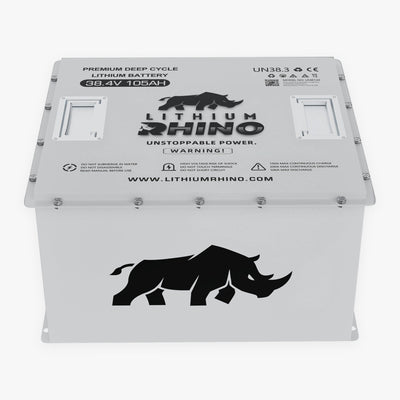
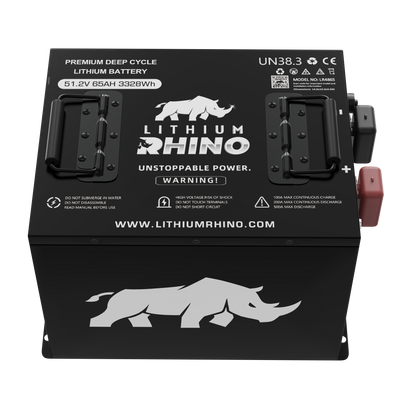

For decades, if you owned a golf cart, UTV, or off-road buggy, you accepted a few things as just part of ownership: popping the hood every few weeks to check water levels, the battery bank losing power a little more each season, and budgeting to replace the whole thing every 3–4 years.
Most owners never questioned it. It was just how these vehicles worked.
That's changing fast, and 2026 looks like the year lithium stopped being the "upgrade for enthusiasts" and became the default choice for everyday owners.
The Quiet Shift Happening in Driveways and Garages
Walk through any golf cart or UTV community online right now, and the conversation has shifted. A few years ago, most posts were people asking whether lithium was "worth it." Today, most posts are from people who already switched, and are telling everyone else why they waited so long.
A few things are driving this shift at the same time:
Prices have come down. Lithium used to carry a steep premium over lead-acid. That gap has narrowed significantly as manufacturing has scaled up, making the switch far more affordable than it was even two or three years ago.
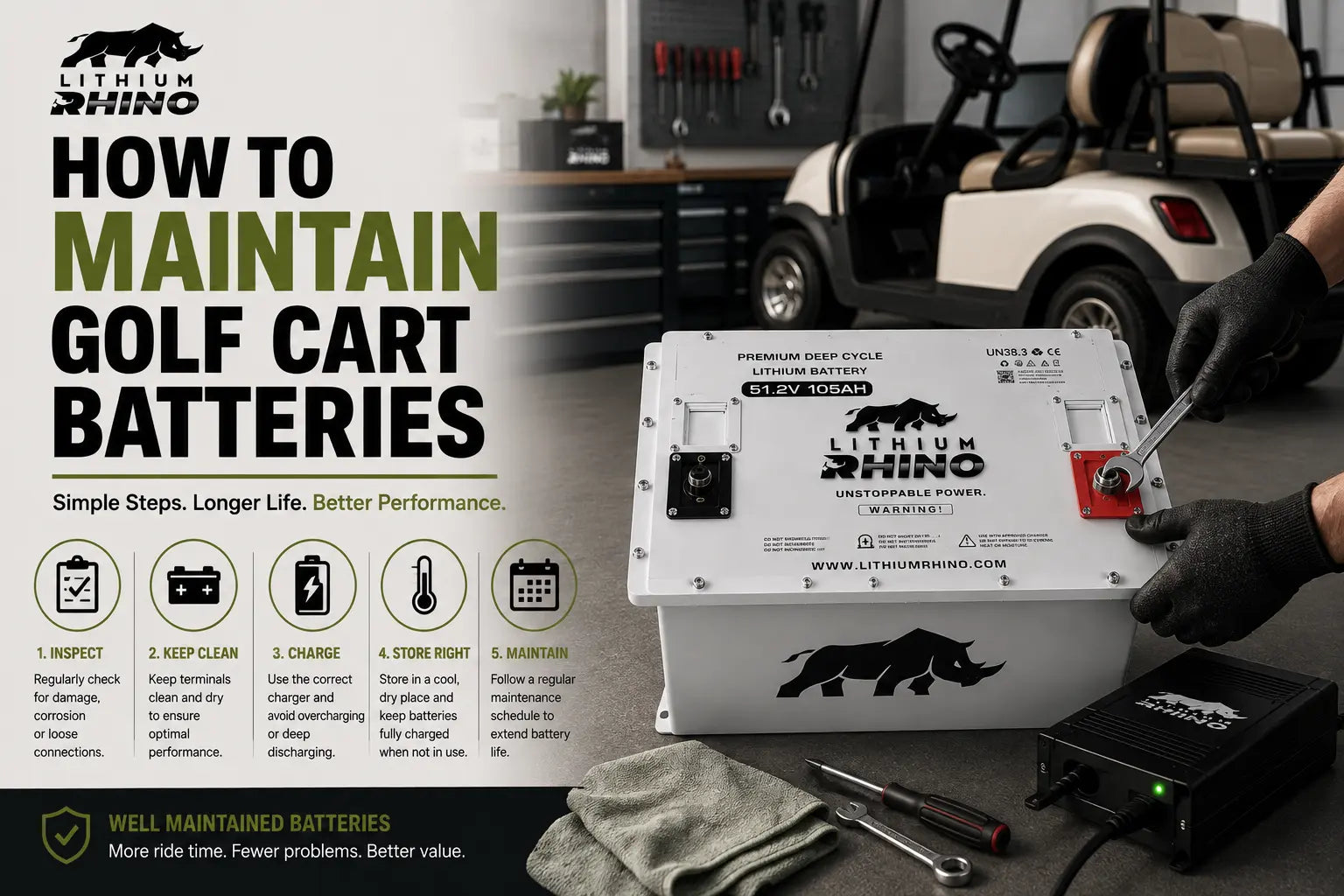
People are tired of maintenance. Checking water levels, cleaning corroded terminals, worrying about sulfation, none of it is difficult, but it adds up. Lithium batteries need none of it. For a lot of owners, that alone is worth the switch.
Vehicles feel noticeably different. Owners consistently describe the same thing after switching: their cart feels lighter, quicker off the line, and holds power more consistently all the way down, instead of sagging as the charge drops, which is exactly how lead-acid tends to behave.
It's Not Just About the Battery Anymore
What's interesting is that this shift isn't really about specs on a spec sheet. It's about what people actually notice day to day.
- Carts start every time, even after sitting for weeks, no more "did I forget to charge it" anxiety.
- Range holds up on hills and longer trips instead of tapering off toward the end of a charge.
- There's no more lugging heavy battery banks around during replacement, lithium packs are often less than half the weight.
- Charging happens in a few hours instead of overnight, which matters more than people expect once they experience it.
None of these are dramatic on their own. Together, they add up to a genuinely different ownership experience, which is probably why so many owners describe switching as something they wish they'd done sooner, not a purchase they debated for months afterward.
Is It Actually Cheaper? That Depends on How You Look at It
Lithium still costs more upfront than lead-acid, that hasn't changed. What has changed is how people are doing the math.
A lead-acid battery bank typically gets replaced every 3–4 years. A quality lithium pack is commonly rated to last 8–10+ years under normal use. Owners who used to see battery replacement as a recurring cost every few years are increasingly treating it as a one-time decision instead, buy once, stop thinking about it for the better part of a decade.
That's less an upgrade and more a totally different relationship with the vehicle.
What This Means If You're Still on Lead-Acid
If your batteries are still working fine, there's no urgency, lead-acid isn't going anywhere, and it still works. But if you're already noticing weaker range, slower acceleration, or you're due for a replacement soon anyway, 2026 is a genuinely different moment to be making that decision than it was even a couple of years ago.
Curious what a lithium switch would actually look like for your specific vehicle? Take our 30-second battery finder quiz to see exactly what fits, no guesswork, no sales call required.
Want the full cost breakdown before deciding? Our lead-acid vs lithium comparison walks through real numbers side by side. And if you're driving a Polaris Ranger EV or Bad Boy Buggy specifically, here's what switching actually looks like for those models.

Leave a comment
This site is protected by hCaptcha and the hCaptcha Privacy Policy and Terms of Service apply.