

Introduction
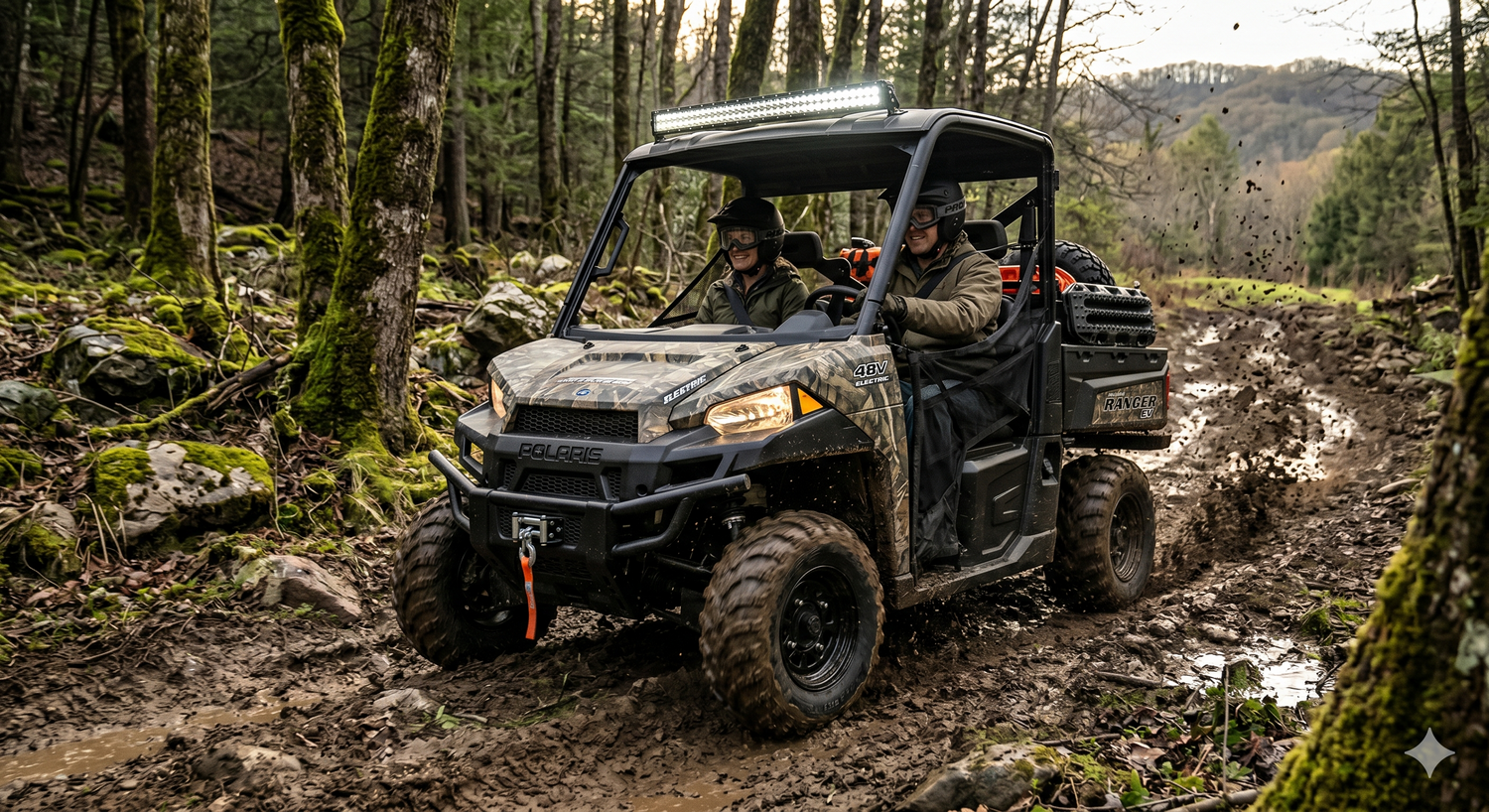
The Polaris Ranger EV and Bad Boy Buggy are two of the most popular electric hunting vehicles on the market — and for good reason. They're quiet, capable, and purpose-built for the woods. But if you're still running the factory lead-acid battery packs, you're leaving significant range, reliability, and longevity on the table.
Converting to lithium is the single biggest upgrade you can make to either vehicle. This guide walks you through exactly how to do it — whether you're running a 48V Ranger EV or a 72V Bad Boy Buggy.
Why Convert to Lithium?
Both the Polaris Ranger EV and Bad Boy Buggy were designed around lead-acid battery packs — it was the dominant technology when these vehicles launched. Lithium iron phosphate (LiFePO4) batteries are a direct upgrade in every performance category:
- Range: Lithium delivers 80–100% of rated capacity on every discharge. Lead-acid degrades quickly and should only be discharged to 50%, cutting your effective range nearly in half
- Weight: A lithium pack weighs 50–70% less than an equivalent lead-acid pack — meaningful for a vehicle that already carries hunters, gear, and game
- Charge time: Lithium charges in 2–4 hours versus 8–12 hours for lead-acid. You can top off between morning and evening hunts
- Lifespan: Lithium Rhino cells are rated at an industry-leading 6,000 charge cycles — versus 300–500 for lead-acid. One Lithium Rhino pack will outlast 10+ sets of lead-acid batteries
- Cold weather performance: LiFePO4 handles cold temperatures significantly better than lead-acid, which loses 30–50% of its capacity below freezing — a real problem for late-season hunting
Understanding Your Vehicle's Voltage System
Before buying anything, confirm your vehicle's voltage:
Polaris Ranger EV
- Most Ranger EV models run a 48V system using six 8V lead-acid batteries wired in series
- Some earlier models used four 12V batteries — check your owner's manual or count the batteries under the seat/bed
Bad Boy Buggy
- Classic and Ambush models typically run a 72V system using six 12V lead-acid batteries wired in series
- Some models run 48V — verify before purchasing
To convert, you'll replace the entire lead-acid pack with lithium batteries that match your system voltage:
- 48V system: Typically four 12V lithium batteries in series, or a single 48V lithium pack
- 72V system: Lithium Rhino's 76V packs (see Step 2) are the ideal fit
Step 1: Measure Your Battery Compartment
Lithium batteries are smaller than lead-acid for the same capacity, but physical fit still matters. Before ordering:
- Remove your existing battery pack and measure the compartment dimensions (length, width, height)
- Note the terminal orientation — top-post vs. side-post matters for wiring
- Check the weight rating of your battery tray if concerned about structural fit (lithium will be lighter, so this is rarely an issue)
Step 2: Choose Your Lithium Pack
You have two options:
Option A: Drop-in lithium pack (recommended)
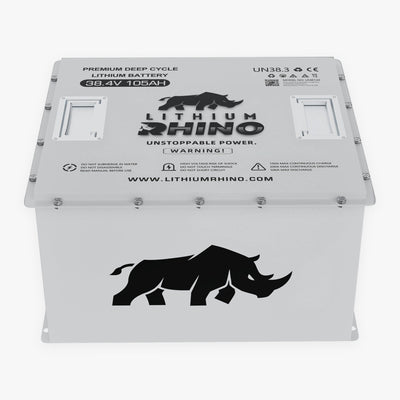
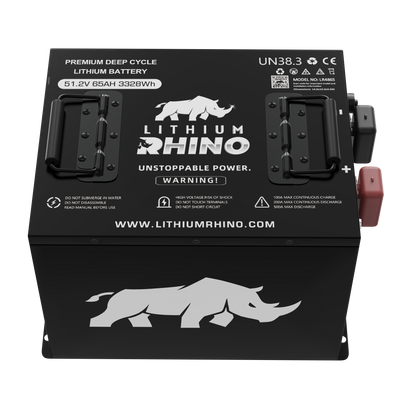
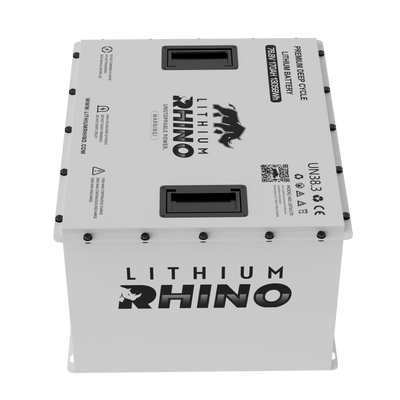
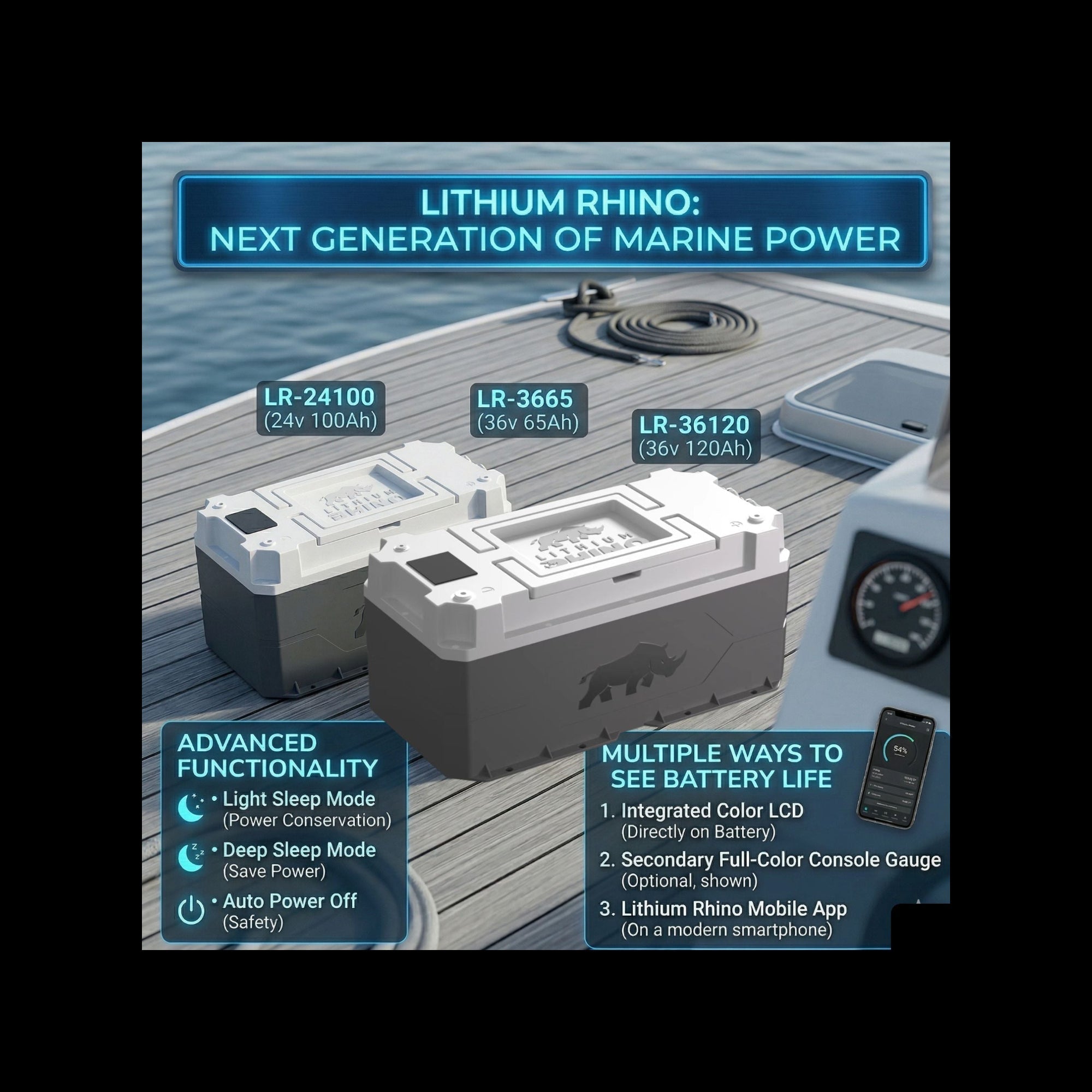
Purpose-built 48V or 76V lithium packs designed specifically for hunting vehicle applications. These are single-unit replacements that simplify installation and include a built-in BMS and state-of-charge display.
Option B: Individual 12V lithium batteries in series
Wire four (48V) batteries in series to match your system voltage. More flexibility in sizing, but requires more careful wiring.
Recommended Lithium Rhino packs by vehicle:
- Polaris Ranger EV (48V): A 48V Lithium Rhino pack sized to your compartment. 100Ah covers a full day of hunting; 150Ah+ for extended range in hilly terrain
- Bad Boy Buggy (72V): Lithium Rhino's 76V 105Ah and 76V 170Ah packs are the ideal fit. Running at 76V, they're fully compatible with 72V systems and deliver a slight voltage advantage over standard 72V lithium — giving your motor controller extra headroom for stronger acceleration and more consistent power delivery throughout the discharge cycle. The 105Ah is ideal for a full day of hunting; the 170Ah is built for multi-day trips or heavily loaded vehicles in hilly terrain
For all packs, look for:
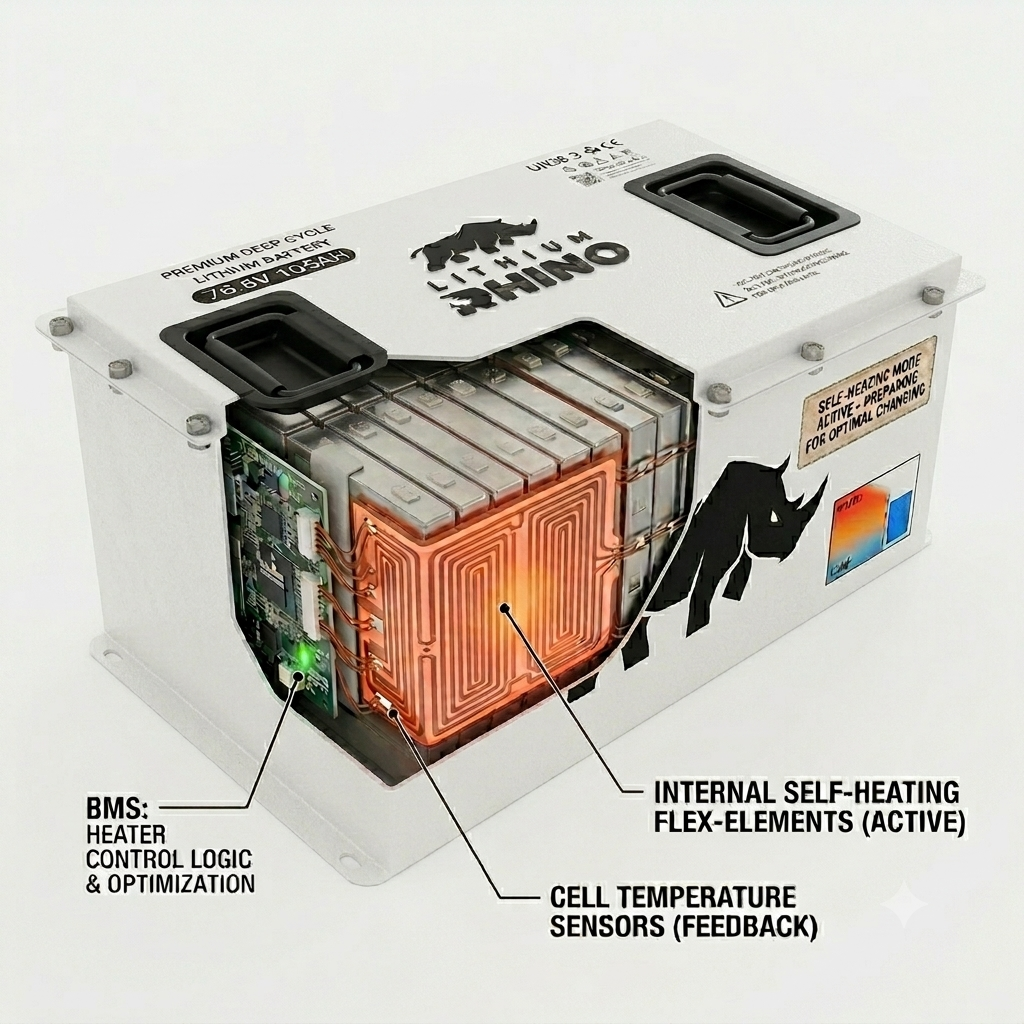
- Built-in BMS with low-temperature protection (critical for hunting use in cold climates)
- Discharge rate that exceeds your vehicle's peak motor draw
Browse our UTV & Side-by-Side Lithium Batteries for 48V and 72V/76V options.
Step 3: Upgrade Your Charger
Your factory Ranger EV or Bad Boy Buggy charger is designed for lead-acid and will not properly charge lithium batteries. Using it will undercharge your pack and shorten battery life.
You need a lithium-compatible charger matched to your system voltage:
- 48V lithium charger for Ranger EV (charges to ~54.6V)
- 76V lithium charger for Bad Boy Buggy with Lithium Rhino 76V packs (charges to ~84V)
Many quality chargers use the same OBD-style plug as the factory charger, making the swap straightforward.
Step 4: Remove the Old Pack
Lead-acid hunting vehicle packs are heavy — a 72V Bad Boy Buggy pack can weigh 300+ lbs across six batteries. Plan accordingly:
- Disconnect the main power connector or turn off the main disconnect switch
- Disconnect batteries starting with the negative terminal of the pack
- Remove hold-down hardware and lift batteries out one at a time — have a helper and use proper lifting technique
- Recycle lead-acid batteries at any auto parts store or battery retailer
Step 5: Install the Lithium Pack
- Place lithium batteries in the compartment and secure with hold-down hardware
- For series wiring (individual 12V batteries): Connect positive of battery 1 to negative of battery 2, continuing the chain. Connect the pack's main positive and negative leads to your vehicle's motor controller
- For drop-in packs: Connect the pack's output terminals to your vehicle's existing wiring harness
- Double-check polarity before connecting — reversing polarity on a motor controller can cause serious damage
- Reconnect the main power connector or switch
Step 6: Configure and Test
- Connect your new lithium charger and complete a full charge cycle before first use
- Check the BMS indicator or state-of-charge display for a full reading
- Take a short test drive and confirm normal operation — acceleration, regenerative braking (if equipped), and speed should all feel normal or improved
- Monitor voltage during the first few discharge cycles to confirm the pack is performing as expected
What to Expect After the Conversion
- More range per charge — often 30–50% more usable range than your old lead-acid pack at full health, and dramatically more compared to an aging pack
- Consistent power — no more sluggish performance as the pack depletes. Lithium delivers full power until nearly empty
- Faster charging — charge between hunts instead of planning around overnight charging
- Less weight — improved handling and reduced strain on the drivetrain
- Cold weather reliability — LiFePO4 performs in temperatures where lead-acid fails, keeping you in the field through late season
Ready to Upgrade Your Ranger EV or Bad Boy Buggy?
Explore our UTV & Side-by-Side Lithium Batteries — available in 48V and 76V configurations for hunting vehicle conversions. Not sure which pack fits your specific model? Contact our team with your vehicle year and model and we'll spec the right system.

Leave a comment
This site is protected by hCaptcha and the hCaptcha Privacy Policy and Terms of Service apply.