

Introduction
Lithium trolling motor batteries cost more upfront than lead-acid — there's no getting around that. But the total cost of ownership over time tells a very different story. This guide breaks down exactly what you'll spend to convert, what you'll save over the life of the batteries, and why most anglers consider it the best money they've spent on their boat.
Upfront Cost: What You'll Actually Pay
The biggest variable is your motor's voltage system, since that determines how many batteries you need.
Typical lithium battery costs by system:
| System | Batteries Needed | Estimated Cost |
|---|---|---|
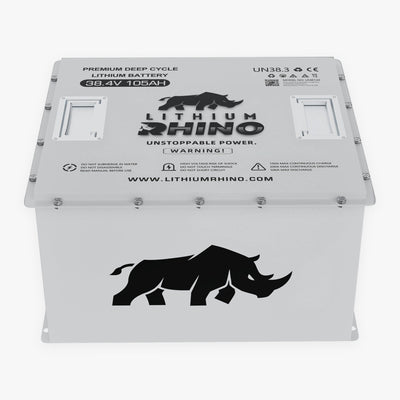
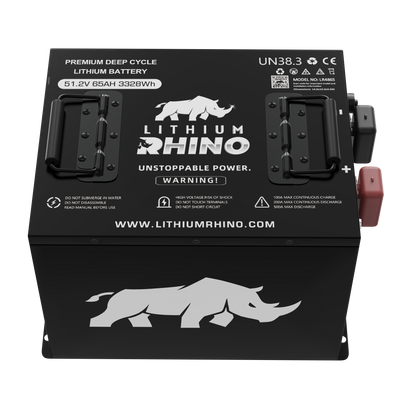
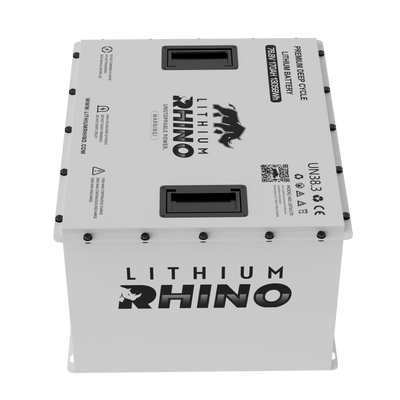
| 12V (up to 55 lb thrust) | 12 × 100Ah | $600–$900 |
| 24V (55–80 lb thrust) | 24 × 100Ah | $1000-$2000 |
| 36V (80–112 lb thrust) | 36 × 120Ah | $1100–$2,500 |
Prices vary by brand and capacity. Higher Ah ratings (120Ah, 150Ah) cost more but extend runtime.
Additional conversion costs to budget for:
- Lithium-compatible charger: $80–$250 depending on whether you need a single-bank or multi-bank unit. This is required — your existing lead-acid charger won't work correctly with lithium. (Lithium Rhino kit includes this)
- Wiring/terminals (if upgrading): $20–$60 for marine-grade tinned wire and connectors, if your existing wiring needs replacing (Lithium Rhino kit includes this)
- Hold-down hardware: Usually $0–$30 — lithium batteries are smaller, so your existing tray typically works fine (Lithium Rhino kit includes this)
Total conversion budget:
- 12V system: $400–$800
- 24V system: $700–$1,300
- 36V system: $1,000–$1,800
How Does That Compare to Lead-Acid?
A quality AGM lead-acid battery in the 100Ah range runs $150–$250. So a 36V lead-acid bank costs roughly $450–$750 upfront — about half the lithium price.
But here's where the math flips.
The Real Cost: Total Cost of Ownership
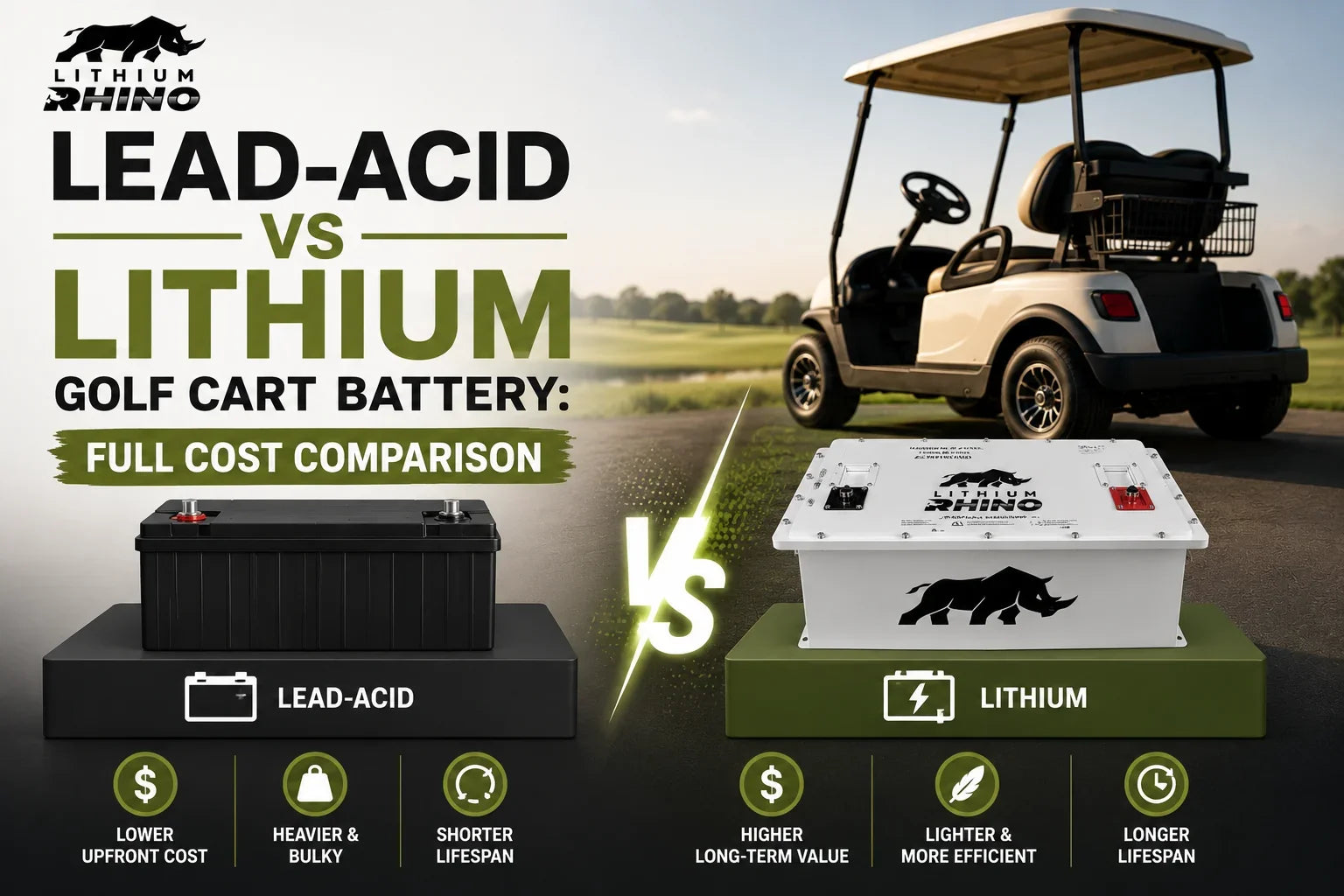
Lead-acid batteries last 300–500 charge cycles with proper care. For an angler fishing 100 days a year, that's 3–5 years per set — and many anglers replace them sooner due to capacity fade.
Lithium batteries last 2,000–5,000 cycles. At 100 days per year, that's 20–50 years of use from a single set.
10-year cost comparison (36V system, 100 days/year):
| Lead-Acid | Lithium | |
|---|---|---|
| Battery sets needed | 2–3 | 1 |
| Battery cost | $900–$2,250 | $900–$1,500 |
| Charger cost | $100–$200 | $150–$300 |
| 10-year total | $1500–$2,450 | $1,050–$1,800 |
By year 3–4, lithium has typically broken even. Every year after that, you're ahead.
What You're Also Buying That Doesn't Show Up in the Math
- Runtime: Lithium's flat voltage curve means your motor runs at full power all day. Lead-acid fades noticeably in the afternoon — you're effectively paying for capacity you can't reliably use
- Weight savings: 40–120 lbs less in the bow depending on your system. Better trim, better handling, less fatigue hauling gear
- Charging time: 2–3 hours versus 8–12 hours overnight. More flexibility, less planning around the charger
- Reliability: A lithium battery with a quality BMS won't leave you stranded mid-lake due to a dead cell — a real risk with aging lead-acid
Is There a Budget Option?
- Start with 12V: If you're running a 12V motor, the entry cost is lowest and the performance gain is still dramatic
- Convert one battery at a time (24V/36V systems): Some anglers replace one battery per season. Note that mixing lithium and lead-acid in a series bank is not recommended — consult your battery manufacturer before doing this
- Size to your actual needs: A 100Ah battery covers most fishing days. You don't need 200Ah if you're fishing 6-hour trips — right-sizing keeps cost down without sacrificing performance
Ready to See What It Costs for Your Setup?
Browse our Marine Lithium Batteries to find batteries sized for your motor's voltage and your typical day on the water. Questions about what's right for your rig? Our team is happy to help you spec it out before you buy.

Leave a comment
This site is protected by hCaptcha and the hCaptcha Privacy Policy and Terms of Service apply.