


Introduction
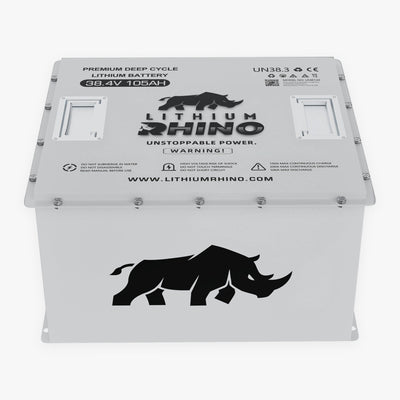
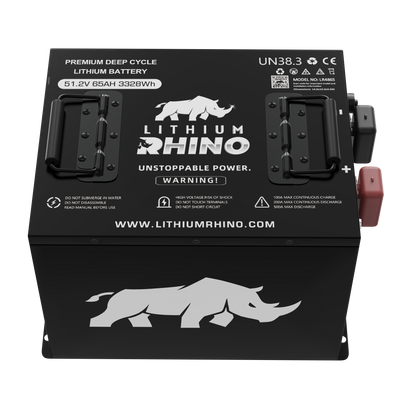
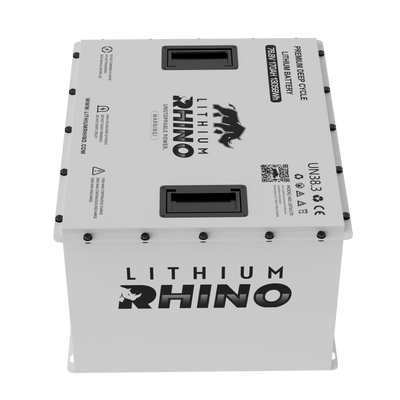
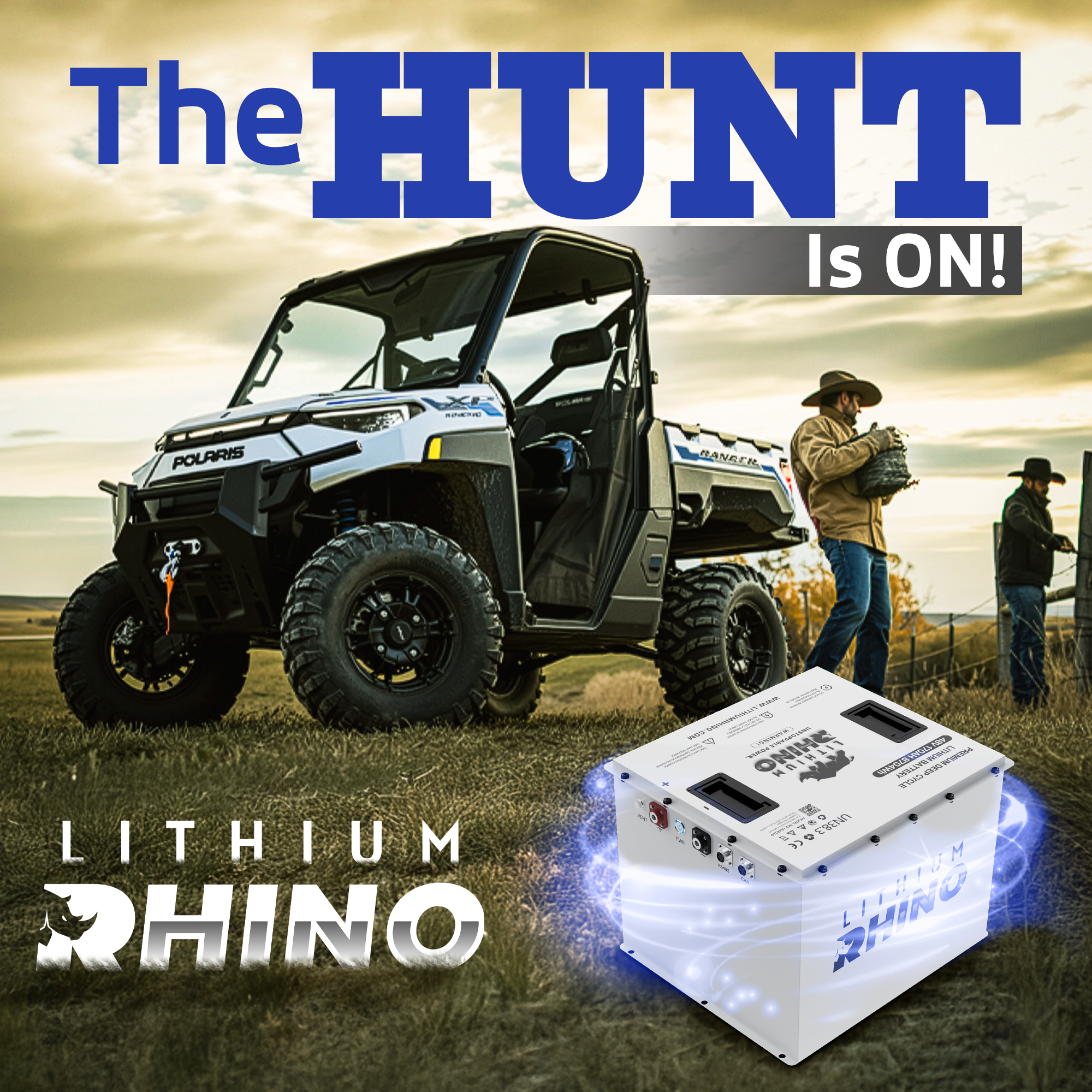
If you've ever replaced a set of lead-acid batteries in your Polaris Ranger EV or Bad Boy Buggy — hauling out 6-8 heavy batteries, disposing of them, and doing it all again two or three years later — you already know the frustration. Lithium batteries solve this problem permanently. Here's exactly how long they last, what affects their lifespan, and why Lithium Rhino's hunting vehicle packs are in a class of their own.
The Short Answer: How Long Do They Last?
Lithium Rhino cells are rated at an industry-leading 6,000 charge cycles. Compare that to 300–500 cycles for a quality lead-acid battery — the kind most Ranger EV and Bad Boy Buggy owners are replacing every 2–4 years.
Estimated lifespan by usage (real-world estimates):
| Hunting Days Per Year | Lead-Acid Lifespan | Lithium Rhino Estimated Lifespan |
|---|---|---|
| 50 days/year | 2–3 years | ~15 years |
| 100 days/year | 2–4 years | ~12 years |
| 200 days/year | 1–2 years | ~10 years |
These are estimates based on real-world usage patterns. Actual lifespan varies depending on depth of discharge, charging habits, storage conditions, and temperature. Regardless of exact years, a Lithium Rhino pack will significantly outlast multiple sets of lead-acid batteries.
The bottom line: a Lithium Rhino pack will outlast your lead-acid batteries many times over — and likely the vehicle itself for lighter users.
Cycle Life vs. Calendar Life
Cycle life tells you how many charge/discharge cycles a battery can handle. Calendar life is how long the battery lasts regardless of use — the natural aging of the chemistry over time.
For LiFePO4 (lithium iron phosphate) — the chemistry used in all Lithium Rhino packs — calendar life is typically 10–15 years even with minimal cycling. It's the most chemically stable lithium chemistry available, which is why it's the standard for demanding applications like hunting vehicles, marine, and energy storage.
What Actually Shortens Lithium Battery Life
Lithium batteries are durable, but a few conditions accelerate degradation:
- Charging when cold: Standard lithium batteries cannot be safely charged below freezing. Doing so causes lithium plating inside the cells — permanent, cumulative damage that reduces capacity over time. This is why Lithium Rhino kits include self-heated charging: the pack automatically warms itself before accepting charge current, protecting the cells every time you plug in — even on cold mornings after an early hunt
- Using the wrong charger: Your factory lead-acid charger uses the wrong voltage profile for lithium. Always use the lithium-compatible charger included with your Lithium Rhino kit
- Storing fully discharged: If you won't be using the vehicle for an extended period, store the pack at 50–80% charge. Storing at near-zero state of charge stresses the cells over time
- Heat: Prolonged exposure to extreme heat (above 130°F) accelerates cell aging. Avoid leaving the vehicle in direct sun for extended periods when not in use
- Physical damage: Severe impacts or punctures can compromise cells. The robust housing on Lithium Rhino packs provides protection, but proper installation with secure hold-downs is still important on rough terrain
How Lithium Ages vs. Lead-Acid
One of the most important — and underappreciated — differences between lithium and lead-acid is how they age.
Lead-acid batteries lose capacity from the very first cycle. By year 2, a pack that started at full capacity may only deliver 70–80% reliably. By year 3, you're noticing shorter range and sluggish performance. The decline is gradual enough that many owners don't realize how much capacity they've lost until they're stranded short of the truck.
Lithium Rhino packs maintain close to their rated capacity for the vast majority of their cycle life, then decline gradually near end of life. You'll have plenty of advance notice before replacement is needed — and that day is a long way off.
Cold Weather: Where Lithium Rhino Pulls Further Ahead
Lead-acid batteries lose 30–50% of their capacity in cold temperatures. A Bad Boy Buggy or Ranger EV that covers your whole property on a warm October day may only make it halfway on a cold November morning with lead-acid.
LiFePO4 chemistry handles cold discharge significantly better than lead-acid. Combined with Lithium Rhino's self-heated charging — which ensures the pack is always charged safely regardless of temperature — you get consistent, reliable performance through the entire hunting season, including the late-season days when it matters most.
The 300A BMS: Protection That Extends Pack Life
Lithium Rhino packs include a 300A Battery Management System that actively protects the cells on every ride:
- Over-discharge protection: Cuts off before the cells are damaged by deep discharge
- Overcharge protection: Prevents cell damage from charging beyond safe voltage limits
- Temperature monitoring: Triggers self-heating when cold, prevents charging when too hot
- Short circuit protection: Instantly disconnects in the event of a wiring fault
- Cell balancing: Keeps all cells in the pack at equal charge levels, preventing the imbalance that kills lead-acid series banks
Every one of these protections extends the life of your pack. The BMS is doing its job every time you ride and every time you charge — silently, automatically, without any input from you.
What About the Warranty?
Lithium Rhino hunting vehicle packs are backed by a manufacturer's warranty that reflects the confidence behind the product. Lead-acid batteries for hunting vehicles typically carry 1–2 year warranties — because that's roughly how long they last.
When evaluating any lithium battery, look for warranties that cover capacity loss, not just manufacturing defects. A battery that drops to 70% capacity in year 3 is effectively failing, even if it technically still works.
The Bottom Line
A Lithium Rhino pack in your Polaris Ranger EV or Bad Boy Buggy will deliver an estimated 10–15 years of reliable hunting use depending on how often you ride — compared to 2–4 years from lead-acid. With 6,000-cycle cells, self-heated charging for cold-weather protection, a 300A BMS that guards against every failure mode, and 2AWG cables for a clean high-current installation, it's a one-time upgrade that eliminates the recurring cost, hassle, and performance compromise of lead-acid — for good.
Ready to Make the Switch?
Explore our UTV & Side-by-Side Lithium Kits — purpose-built for Polaris Ranger EV and Bad Boy Buggy with the cycle life, cold-weather capability, and kit completeness to back it up. Questions about lifespan, warranty, or which kit fits your vehicle? Contact our team and we'll point you in the right direction.

Leave a comment
This site is protected by hCaptcha and the hCaptcha Privacy Policy and Terms of Service apply.